From harbor town to global city of ambition
Every neighborhood you visit carries a chapter of New York's long story, from cobblestone beginnings to skyline dreams.
Table of Contents
From New Amsterdam to New York
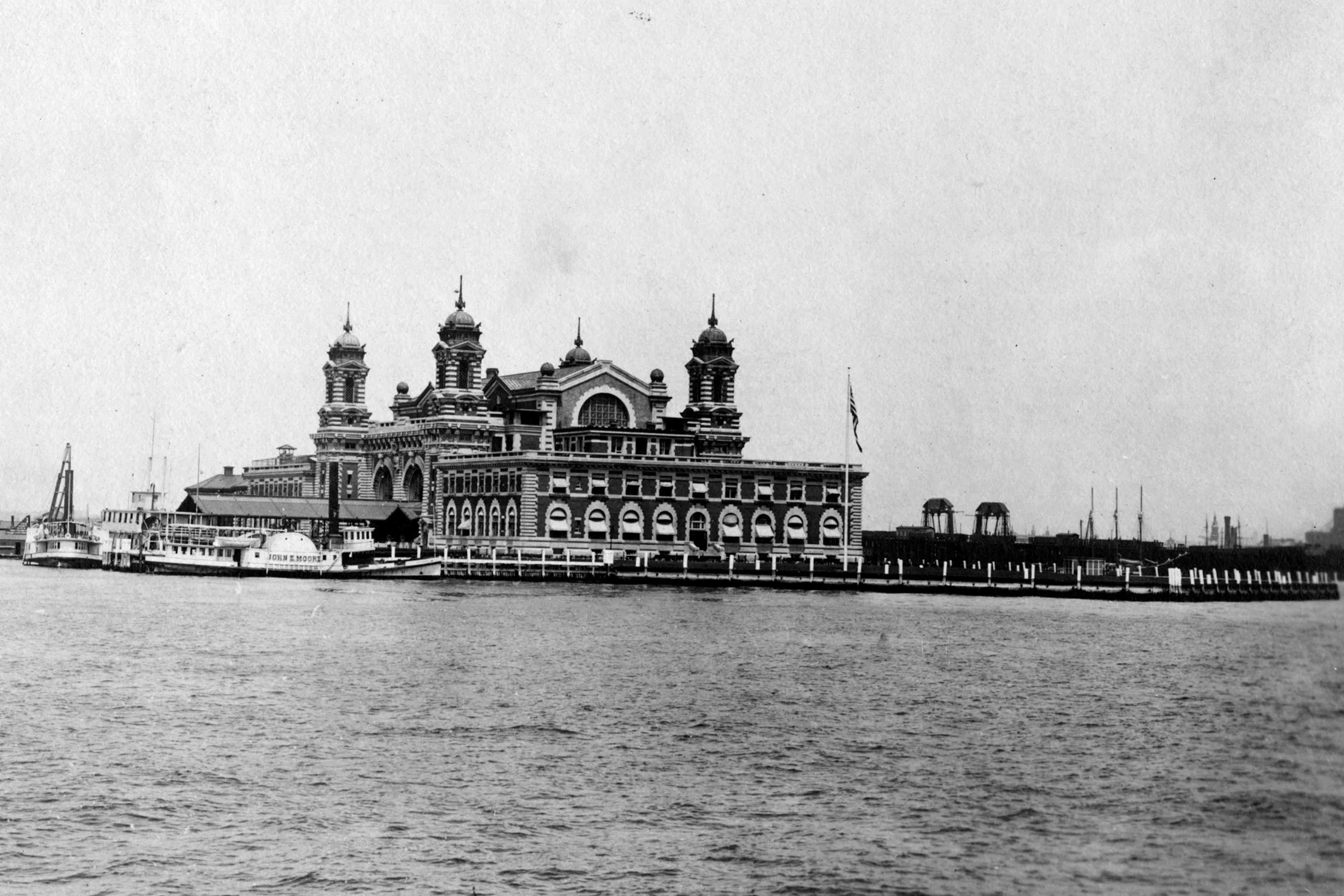
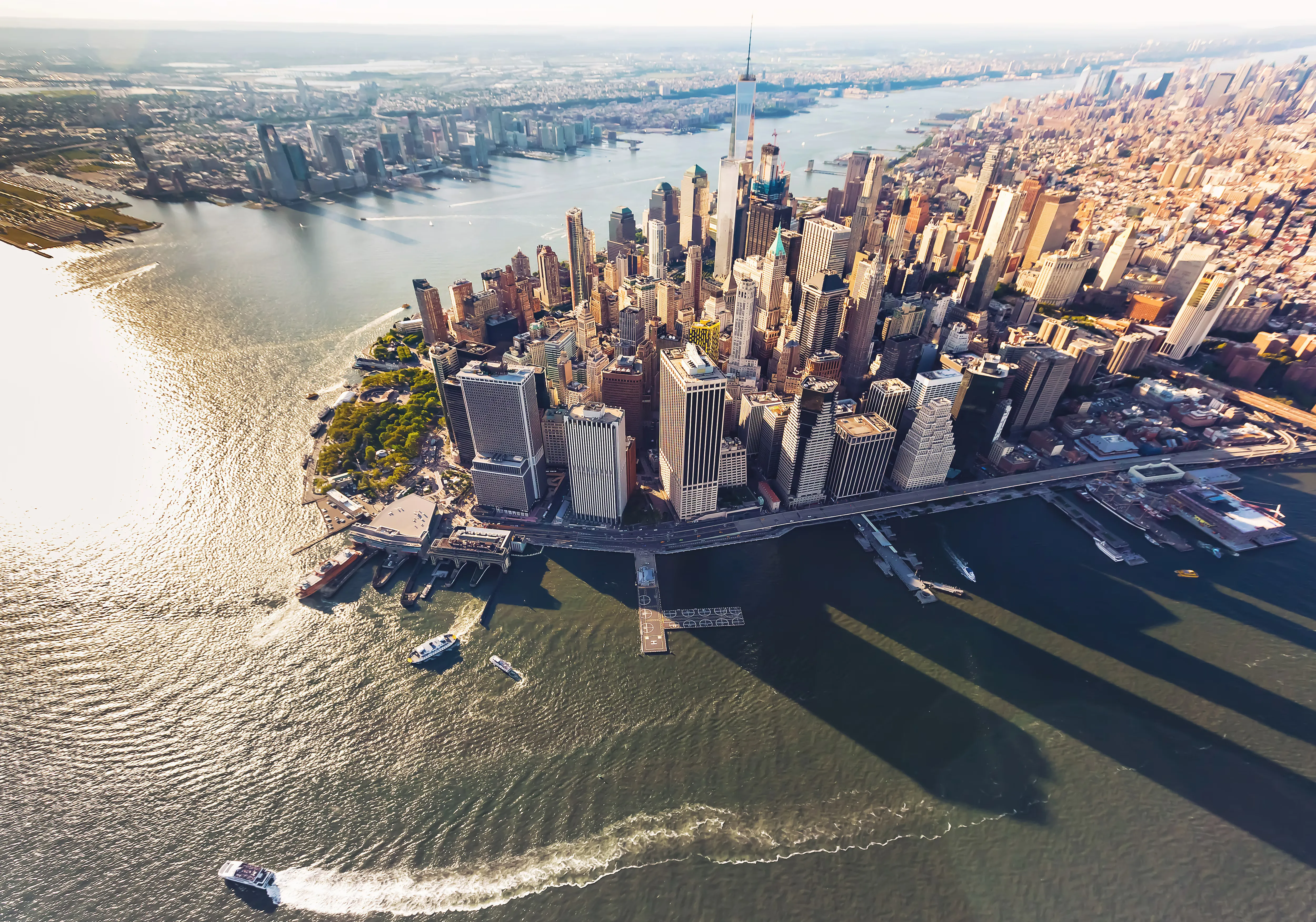
Long before steel towers defined the skyline, this place began as a strategic harbor settlement known as New Amsterdam. Dutch traders recognized the power of deep water access and river routes, and they built a colonial outpost where goods, ideas, and cultures collided daily. In 1664, English control reshaped the city's name and political direction, but the harbor remained its heartbeat. Even today, when you stand at the edge of Lower Manhattan and look across the water, you can still sense the original logic of the city: connection, exchange, and constant movement.
As centuries passed, New York transformed from mercantile port to rising urban engine. War, trade, migration, finance, and industry left visible marks on its streets. The city expanded northward, outward, and upward, absorbing waves of newcomers who brought languages, crafts, faiths, recipes, music, and ambition. What makes New York extraordinary is not a single monument, but the layering of eras in one living landscape. A modern travel pass lets you move through those layers in one itinerary, from colonial-era traces to futuristic observation decks in the same day.
Harbor, finance, and the birth of downtown
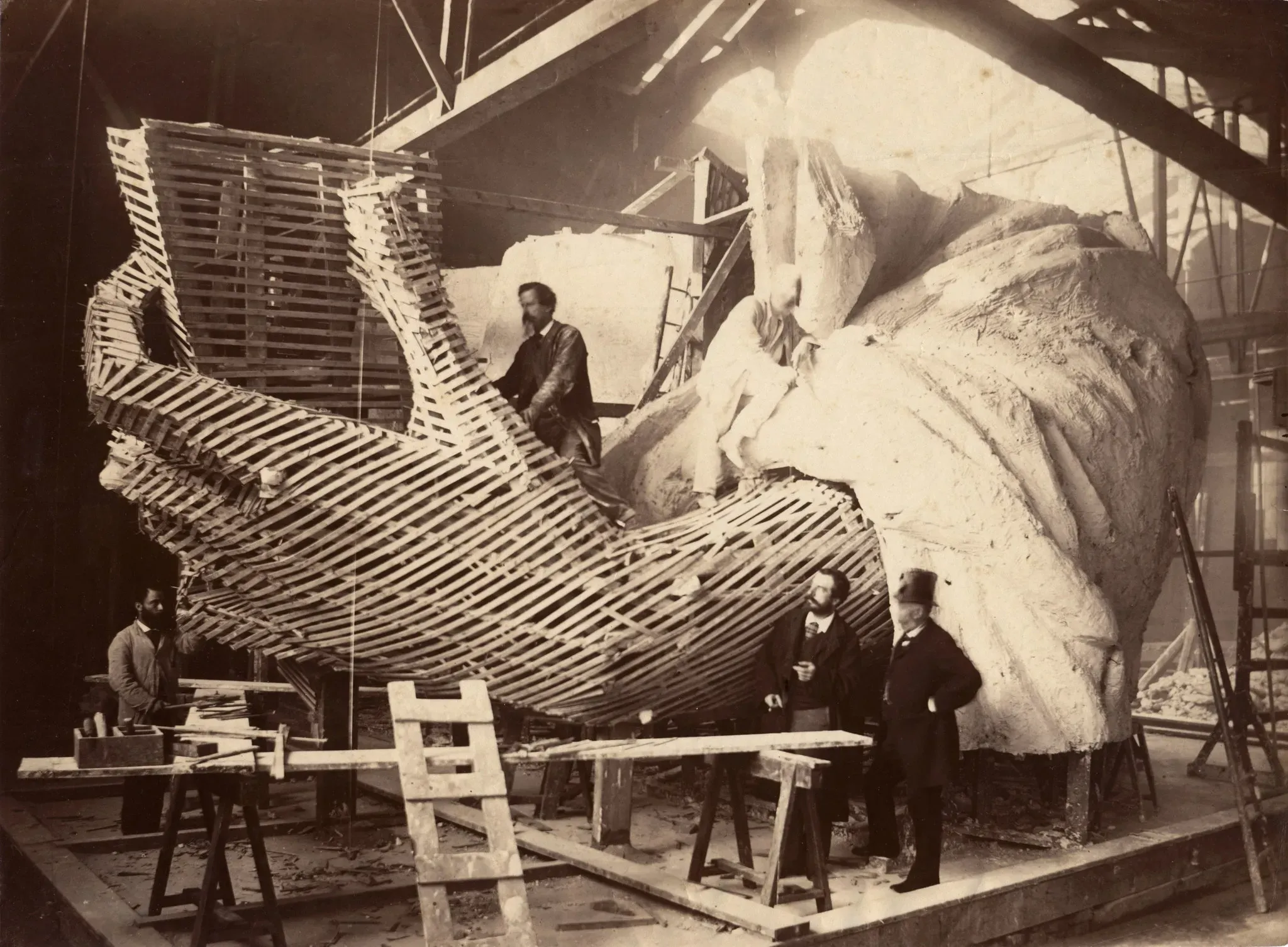
Downtown Manhattan tells the story of how shipping and finance built modern New York. Early docks fed commercial growth, while nearby institutions turned trust, insurance, and investment into the language of global influence. Streets that seem narrow today were once practical colonial routes, later surrounded by banks, exchanges, and headquarters. This close relationship between water access and money movement explains why Lower Manhattan still feels like both a historic district and a forward-facing business core.
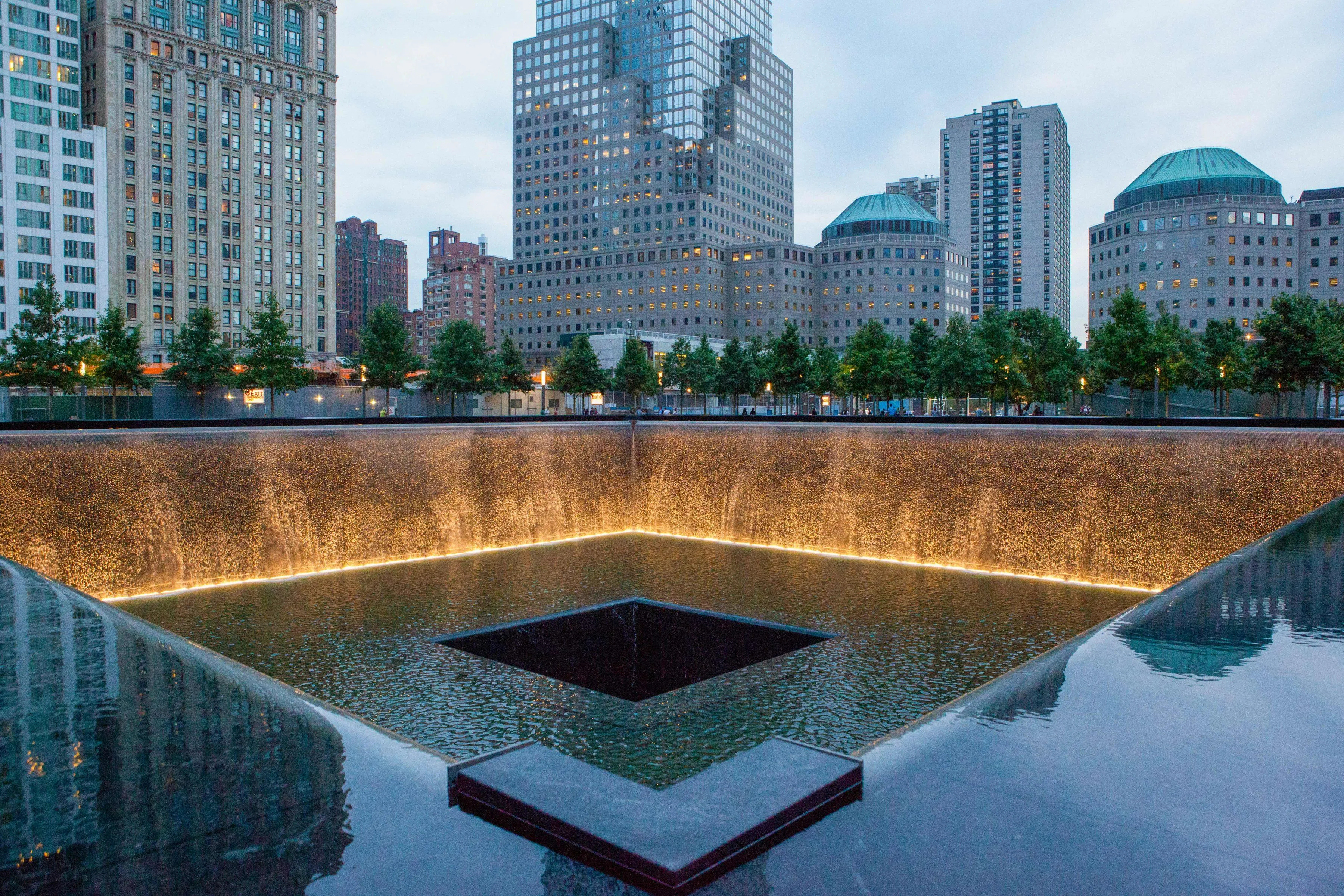
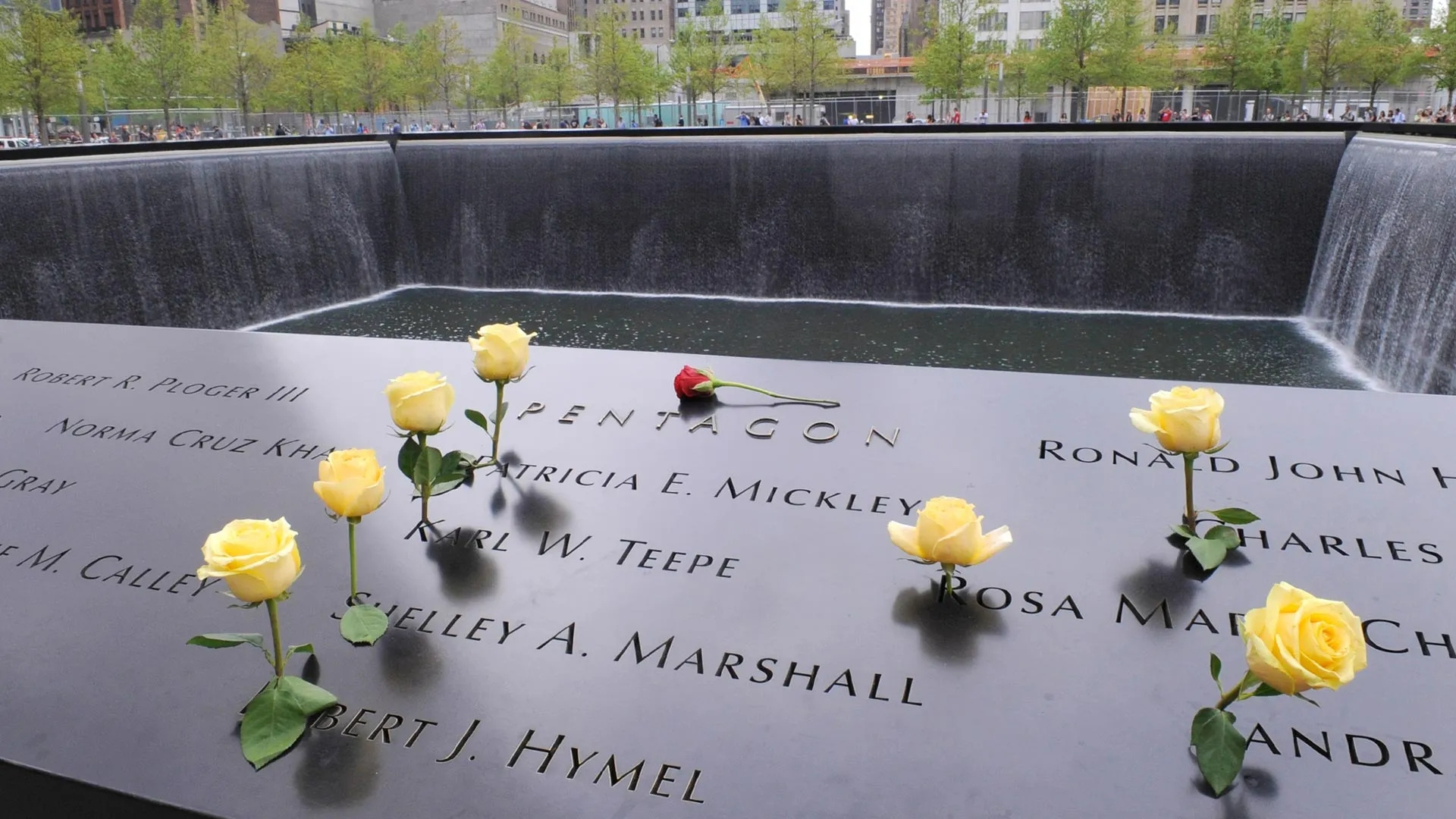
When you explore this area with a pass itinerary, you can feel the contrast block by block: quiet churchyards near high-speed office towers, old masonry alongside mirrored glass, and memorial spaces that invite reflection in one of the busiest districts on Earth. It is a place where New York repeatedly reinvents itself without erasing everything that came before.
Immigration and the city of many languages
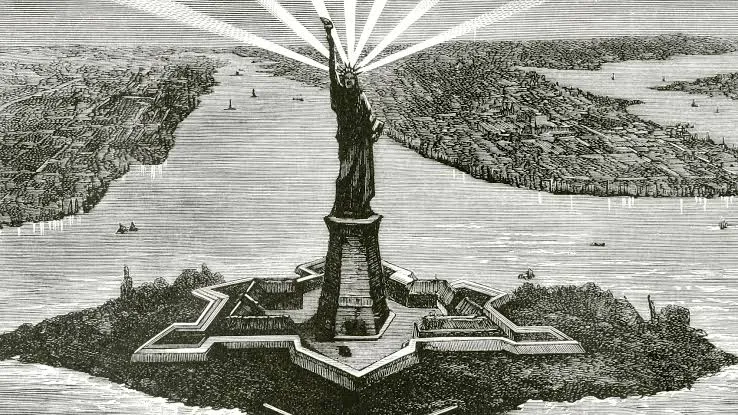
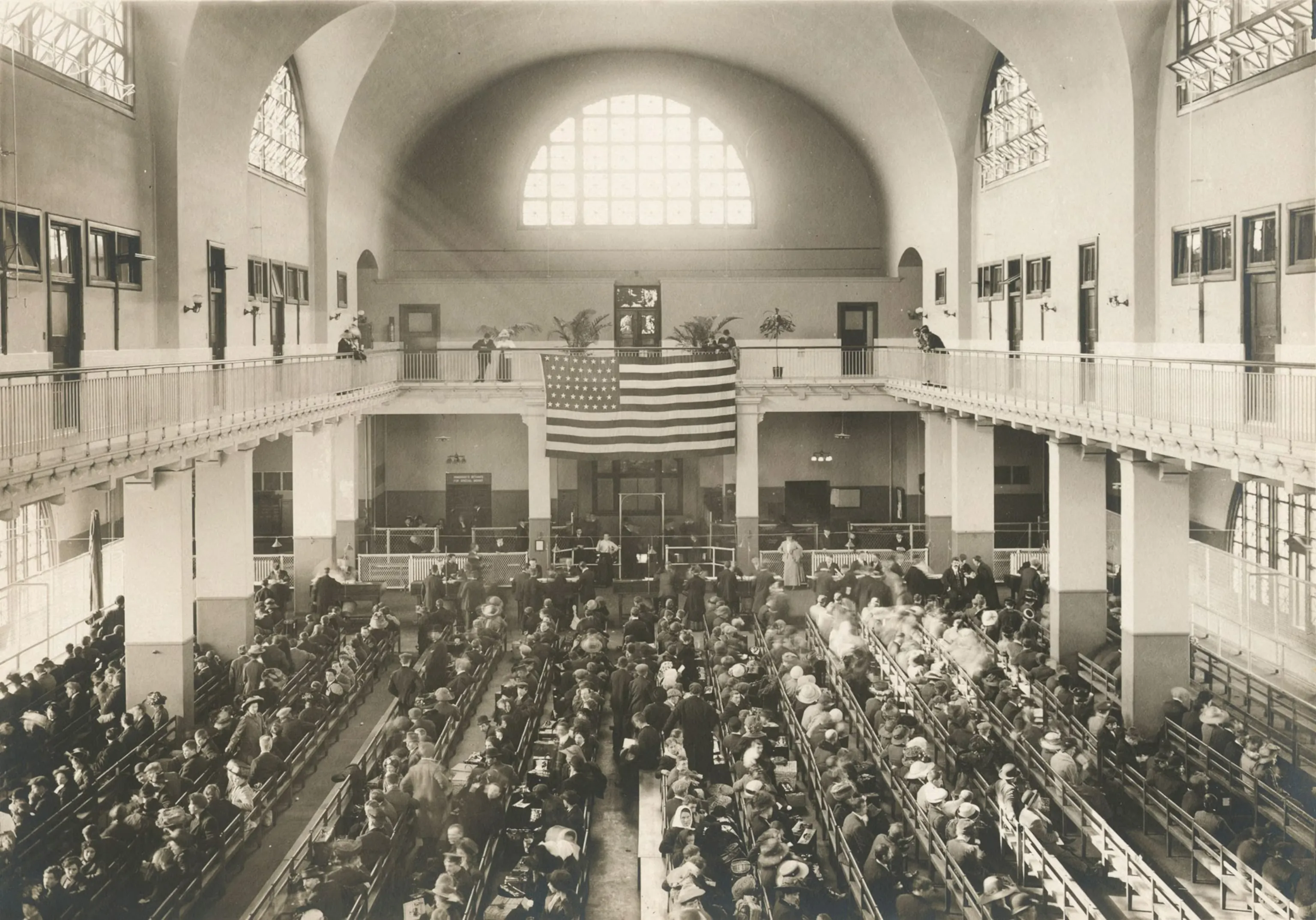
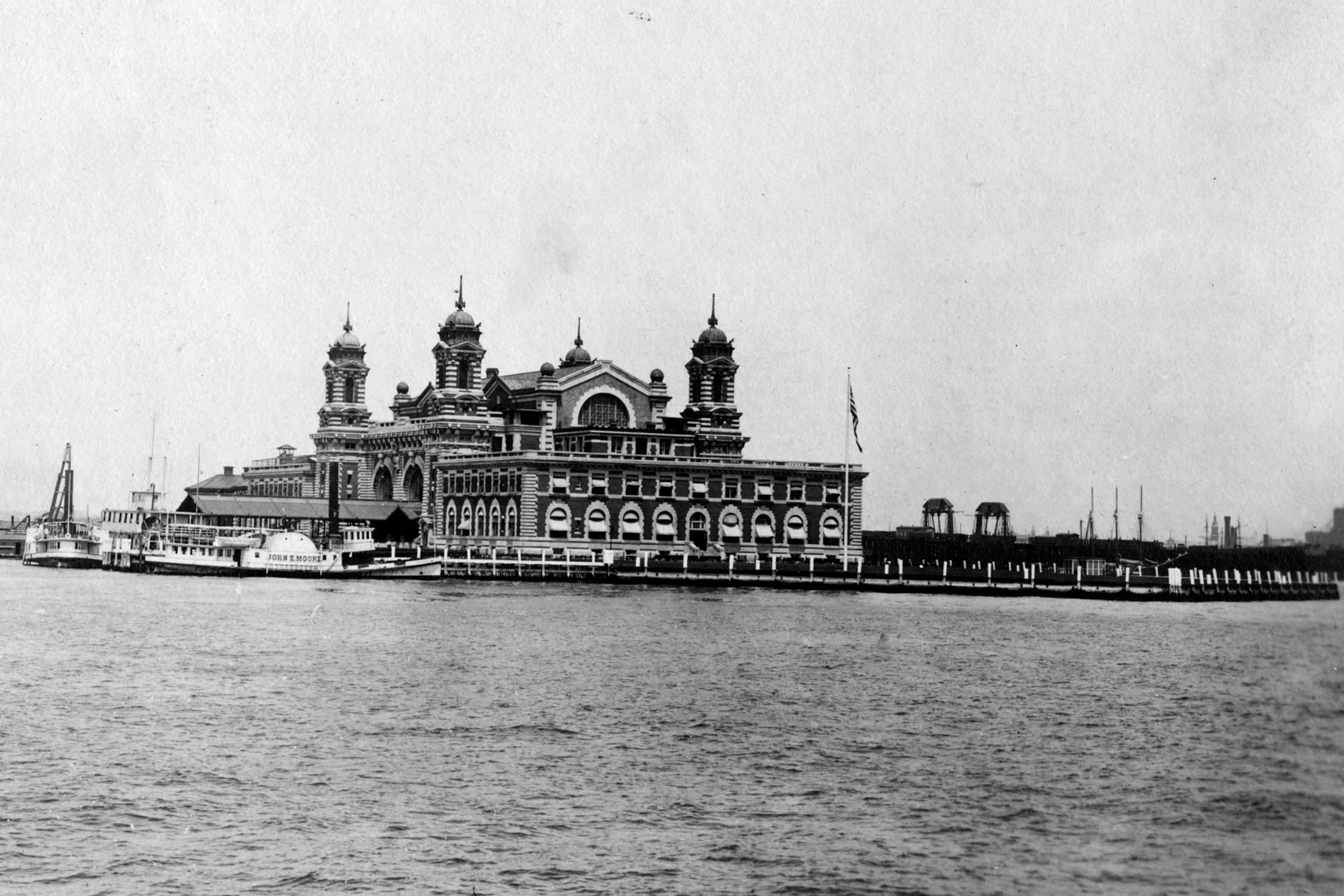
Few cities have been shaped so deeply by immigration as New York. Across the 19th and 20th centuries, arrivals from Europe, the Caribbean, Latin America, Asia, Africa, and the Middle East transformed the social and cultural fabric of every borough. New York did not just grow in size; it grew in voices, rhythms, and identities. Entire neighborhoods became living archives of migration stories, where food, music, religion, and family businesses carried memory across generations.
Today, this diversity remains one of the city's greatest strengths. In one afternoon, you can hear multiple languages on a single subway ride, taste regional traditions from across the world, and notice how each block expresses a distinct identity. A travel pass, used thoughtfully, helps you combine classic landmarks with these everyday cultural layers so the city feels authentic rather than curated for postcards.
Bridges, subways, and urban expansion
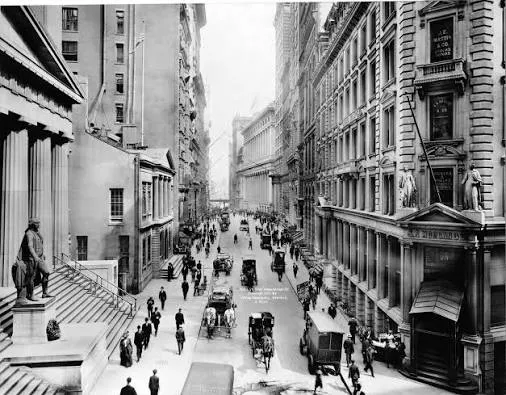
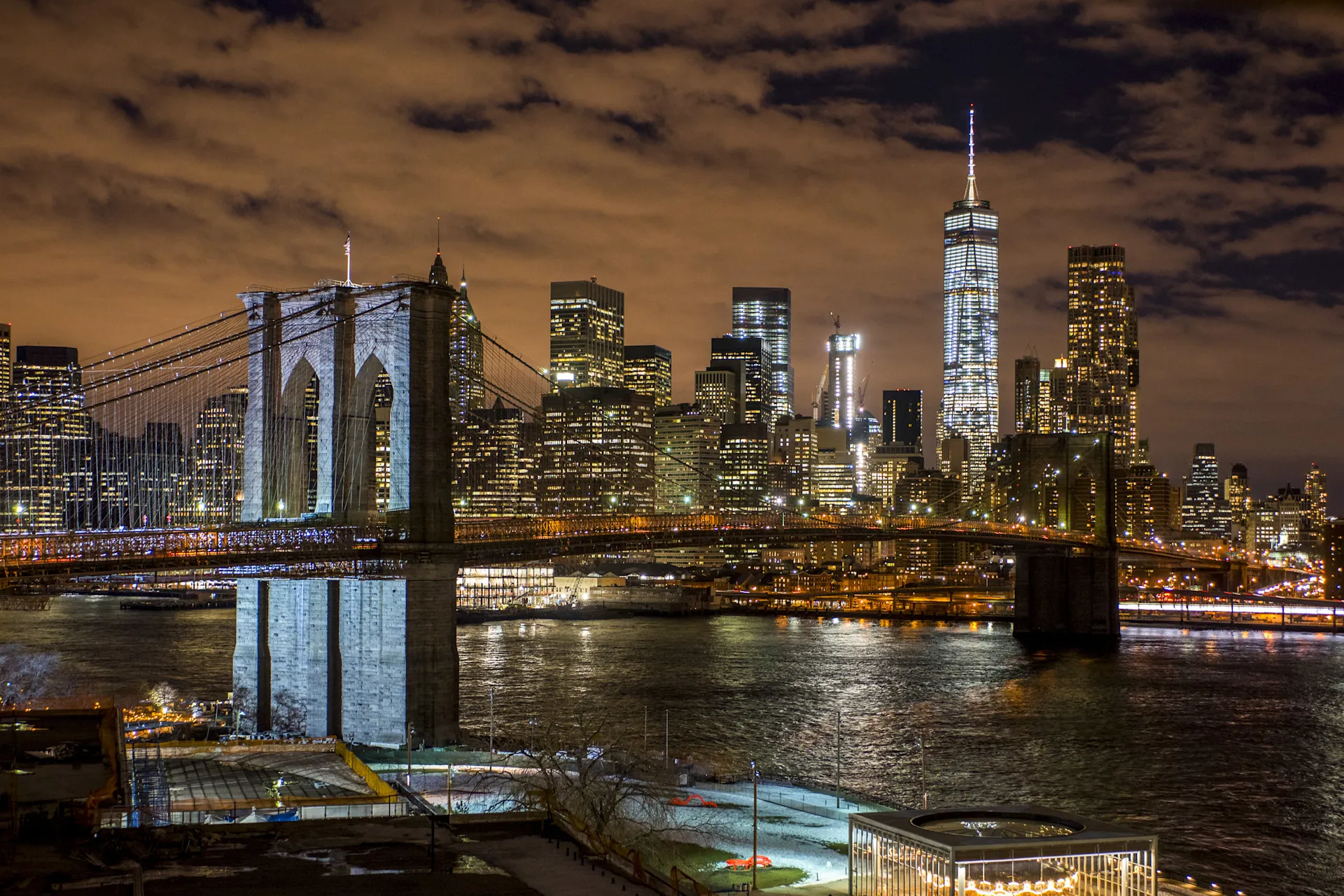
New York became a true multi-borough metropolis because infrastructure made it possible. Bridges connected islands and shorelines, tunnels enabled year-round movement, and the subway stitched neighborhoods into a single daily system. The Brooklyn Bridge in particular became both engineering icon and civic symbol, proving that distance could be redesigned by ambition.
As transit improved, people lived farther from traditional business cores while staying connected to opportunity. This reshaped housing, labor patterns, and urban identity. Today, your pass day often depends on these same networks: subway lines for speed, ferries for perspective, and walking for texture. In New York, movement is not a side detail; it is part of the city's personality.
Skyscrapers and the vertical city
New York's skyline is not only beautiful; it is historical evidence in steel and stone. Competitive ambition, zoning laws, engineering breakthroughs, and symbolic prestige all contributed to the race upward. Buildings became statements of identity for companies and generations, each tower reflecting the values and technologies of its era.
Observation decks now let visitors read this history from above: art deco silhouettes, modern glass shafts, and evolving clusters that map where investment and imagination converged. Whether you choose dawn, daylight, or evening slots, skyline viewpoints are more than photo stops. They are one of the clearest ways to understand New York as an idea built vertically as much as geographically.
Culture, neighborhoods, and reinvention

New York is never one fixed version of itself. Districts rise, decline, reimagine, and reopen with new creative energy. Former industrial spaces become galleries or markets, theater districts attract global audiences, and local communities continue to shape public life in ways no guidebook can fully predict.
This constant reinvention keeps the city compelling for repeat visitors. A pass gives structure, but neighborhood time gives character. Pair major attractions with unplanned windows for street-level discovery, and you will experience the city as residents do: in layers, surprises, and changing moods.
Parks, waterfronts, and public life
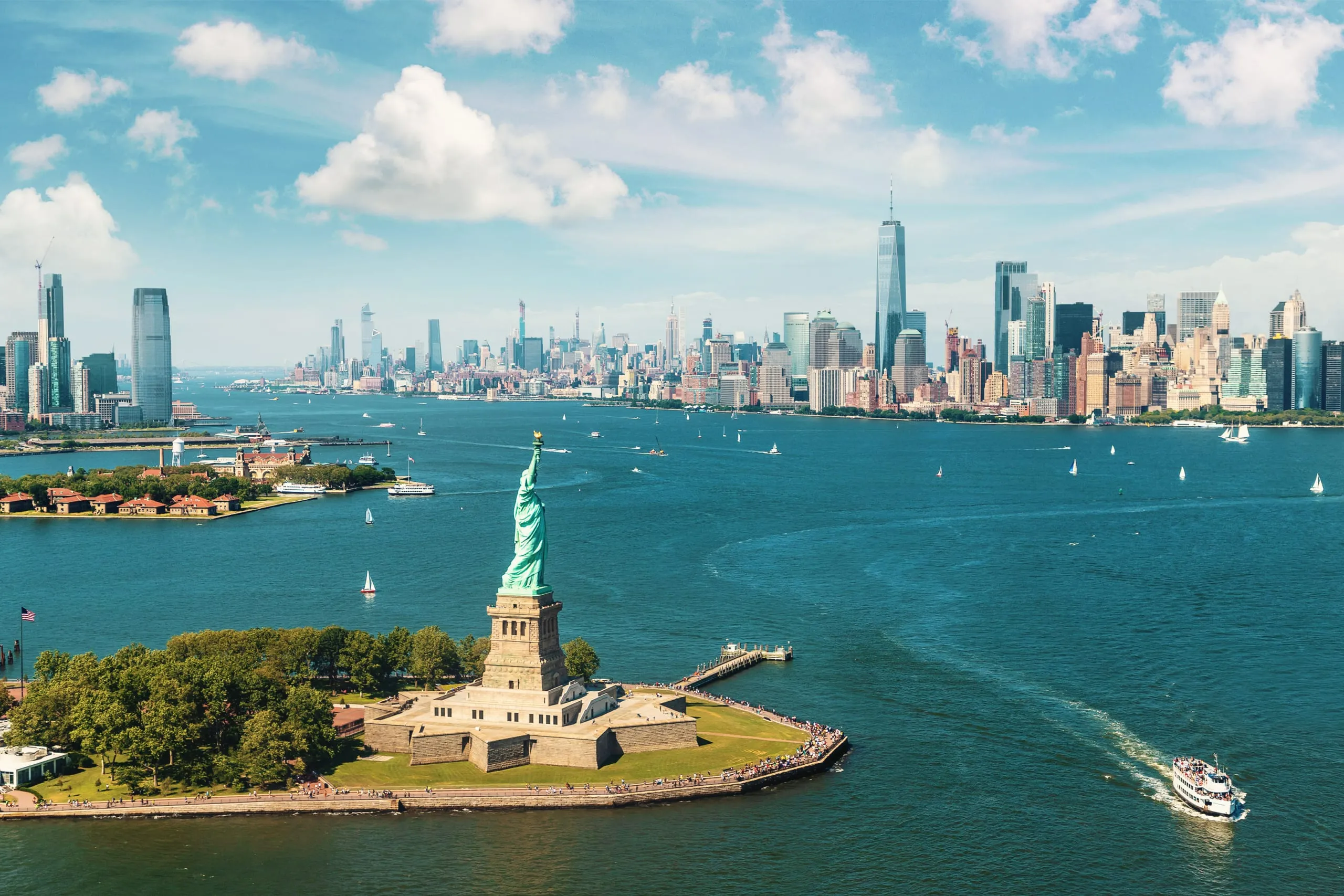
For all its density, New York depends on public spaces to breathe. Parks, piers, promenades, and waterfront paths are where office workers decompress, families gather, runners train, musicians perform, and visitors pause between major attractions. These spaces remind you that the city is not only about pace; it is also about pause.
Many pass itineraries feel best when balanced with these open-air chapters. After a museum or deck, a riverfront walk resets your energy and sharpens your perspective. The skyline from across the water, especially near sunset, often becomes the memory travelers carry home most vividly.
Crowds, safety, and practical city movement
New York rewards preparation. Crowds are normal at marquee attractions and major transit hubs, particularly late morning through early evening. Keep essentials secure, stay aware at crossings, and leave generous transfer margins before timed entries. These simple habits make your day smoother and safer.
Accessibility has improved significantly at many attractions and transit points, but conditions still vary. Elevators can be busy or temporarily unavailable, and walking surfaces differ between neighborhoods. Planning your sequence in advance helps you choose routes and venues that match your mobility needs without sacrificing experience quality.
Festivals, food, and everyday rituals
New York's cultural calendar runs year-round, from neighborhood parades and open-street weekends to film, music, and food events that animate entire districts. Depending on timing, your pass day may overlap with pop-up markets, public art programs, or outdoor performances that add depth to your itinerary.
Yet some of the city's most meaningful moments are small and ordinary: a corner deli breakfast, a park chess game, a spontaneous jazz set, a sunset ferry view, or the late-evening glow of storefronts after rain. Leave room for these details. They often become the most human part of your New York story.
Travel passes and smart itinerary design
Choosing the right pass is less about finding the cheapest label and more about matching your travel behavior. If you enjoy full days and fast transitions, day-based passes can deliver excellent value. If you prefer depth over quantity, attraction-count passes may fit better. The smartest plan starts by identifying your non-negotiable highlights and then estimating realistic travel time between them.
Reserve high-demand experiences first, especially sunset decks and popular cruises. Then layer museums, neighborhood walks, and meal stops around those anchors. This method prevents backtracking and keeps energy balanced. A well-planned pass itinerary should feel exciting and sustainable, not like a race against the clock.
Preservation in a fast-changing metropolis
New York is in permanent negotiation between preservation and reinvention. Landmarks commissions, adaptive reuse projects, and community advocacy all influence what survives and what changes. Former warehouses become cultural spaces, historic theaters are restored, and industrial waterfronts evolve into public parks while keeping traces of their working past.
As a visitor, your choices matter too. Supporting official institutions, respecting local neighborhoods, and spreading visits beyond only the most crowded hotspots helps sustain the city's cultural ecosystem. A pass can encourage this broader exploration, guiding you toward both headline icons and places where preservation and daily life coexist.
Side trips and classic skyline viewpoints

Many travelers focus only on Manhattan, but short side trips can dramatically enrich your experience. Brooklyn waterfront parks, Roosevelt Island tram perspectives, and select ferry routes reveal skyline angles impossible to appreciate from street level alone. These detours are often easy to combine with pass attractions if you group neighborhoods intelligently.
When timing allows, finish your day near water at golden hour. As lights rise across bridges and towers, you see why New York remains one of the world's most photographed skylines. It is not just visual spectacle; it is a living portrait of history, work, culture, and aspiration in one frame.
Why New York rewards curious travelers
A New York Travel Pass is practical, but the deeper value is narrative. It helps you connect places that might otherwise feel separate: skyline icons, immigrant histories, artistic neighborhoods, waterfront routes, and public spaces where daily life unfolds in real time. Each stop adds context to the next.
By the end of your trip, what remains is not only a checklist completed, but a city understood more intimately. You begin to recognize New York as a mosaic of ambitions and memories, where every avenue carries both past and possibility. That is why thoughtful pass planning works so well here: it gives structure to the day while leaving room for surprise, and New York always rewards those who stay curious.
Table of Contents
From New Amsterdam to New York
Long before steel towers defined the skyline, this place began as a strategic harbor settlement known as New Amsterdam. Dutch traders recognized the power of deep water access and river routes, and they built a colonial outpost where goods, ideas, and cultures collided daily. In 1664, English control reshaped the city's name and political direction, but the harbor remained its heartbeat. Even today, when you stand at the edge of Lower Manhattan and look across the water, you can still sense the original logic of the city: connection, exchange, and constant movement.
As centuries passed, New York transformed from mercantile port to rising urban engine. War, trade, migration, finance, and industry left visible marks on its streets. The city expanded northward, outward, and upward, absorbing waves of newcomers who brought languages, crafts, faiths, recipes, music, and ambition. What makes New York extraordinary is not a single monument, but the layering of eras in one living landscape. A modern travel pass lets you move through those layers in one itinerary, from colonial-era traces to futuristic observation decks in the same day.
Harbor, finance, and the birth of downtown
Downtown Manhattan tells the story of how shipping and finance built modern New York. Early docks fed commercial growth, while nearby institutions turned trust, insurance, and investment into the language of global influence. Streets that seem narrow today were once practical colonial routes, later surrounded by banks, exchanges, and headquarters. This close relationship between water access and money movement explains why Lower Manhattan still feels like both a historic district and a forward-facing business core.
When you explore this area with a pass itinerary, you can feel the contrast block by block: quiet churchyards near high-speed office towers, old masonry alongside mirrored glass, and memorial spaces that invite reflection in one of the busiest districts on Earth. It is a place where New York repeatedly reinvents itself without erasing everything that came before.
Immigration and the city of many languages
Few cities have been shaped so deeply by immigration as New York. Across the 19th and 20th centuries, arrivals from Europe, the Caribbean, Latin America, Asia, Africa, and the Middle East transformed the social and cultural fabric of every borough. New York did not just grow in size; it grew in voices, rhythms, and identities. Entire neighborhoods became living archives of migration stories, where food, music, religion, and family businesses carried memory across generations.
Today, this diversity remains one of the city's greatest strengths. In one afternoon, you can hear multiple languages on a single subway ride, taste regional traditions from across the world, and notice how each block expresses a distinct identity. A travel pass, used thoughtfully, helps you combine classic landmarks with these everyday cultural layers so the city feels authentic rather than curated for postcards.
Bridges, subways, and urban expansion
New York became a true multi-borough metropolis because infrastructure made it possible. Bridges connected islands and shorelines, tunnels enabled year-round movement, and the subway stitched neighborhoods into a single daily system. The Brooklyn Bridge in particular became both engineering icon and civic symbol, proving that distance could be redesigned by ambition.
As transit improved, people lived farther from traditional business cores while staying connected to opportunity. This reshaped housing, labor patterns, and urban identity. Today, your pass day often depends on these same networks: subway lines for speed, ferries for perspective, and walking for texture. In New York, movement is not a side detail; it is part of the city's personality.
Skyscrapers and the vertical city
New York's skyline is not only beautiful; it is historical evidence in steel and stone. Competitive ambition, zoning laws, engineering breakthroughs, and symbolic prestige all contributed to the race upward. Buildings became statements of identity for companies and generations, each tower reflecting the values and technologies of its era.
Observation decks now let visitors read this history from above: art deco silhouettes, modern glass shafts, and evolving clusters that map where investment and imagination converged. Whether you choose dawn, daylight, or evening slots, skyline viewpoints are more than photo stops. They are one of the clearest ways to understand New York as an idea built vertically as much as geographically.
Culture, neighborhoods, and reinvention
New York is never one fixed version of itself. Districts rise, decline, reimagine, and reopen with new creative energy. Former industrial spaces become galleries or markets, theater districts attract global audiences, and local communities continue to shape public life in ways no guidebook can fully predict.
This constant reinvention keeps the city compelling for repeat visitors. A pass gives structure, but neighborhood time gives character. Pair major attractions with unplanned windows for street-level discovery, and you will experience the city as residents do: in layers, surprises, and changing moods.
Parks, waterfronts, and public life
For all its density, New York depends on public spaces to breathe. Parks, piers, promenades, and waterfront paths are where office workers decompress, families gather, runners train, musicians perform, and visitors pause between major attractions. These spaces remind you that the city is not only about pace; it is also about pause.
Many pass itineraries feel best when balanced with these open-air chapters. After a museum or deck, a riverfront walk resets your energy and sharpens your perspective. The skyline from across the water, especially near sunset, often becomes the memory travelers carry home most vividly.
Crowds, safety, and practical city movement
New York rewards preparation. Crowds are normal at marquee attractions and major transit hubs, particularly late morning through early evening. Keep essentials secure, stay aware at crossings, and leave generous transfer margins before timed entries. These simple habits make your day smoother and safer.
Accessibility has improved significantly at many attractions and transit points, but conditions still vary. Elevators can be busy or temporarily unavailable, and walking surfaces differ between neighborhoods. Planning your sequence in advance helps you choose routes and venues that match your mobility needs without sacrificing experience quality.
Festivals, food, and everyday rituals
New York's cultural calendar runs year-round, from neighborhood parades and open-street weekends to film, music, and food events that animate entire districts. Depending on timing, your pass day may overlap with pop-up markets, public art programs, or outdoor performances that add depth to your itinerary.
Yet some of the city's most meaningful moments are small and ordinary: a corner deli breakfast, a park chess game, a spontaneous jazz set, a sunset ferry view, or the late-evening glow of storefronts after rain. Leave room for these details. They often become the most human part of your New York story.
Travel passes and smart itinerary design
Choosing the right pass is less about finding the cheapest label and more about matching your travel behavior. If you enjoy full days and fast transitions, day-based passes can deliver excellent value. If you prefer depth over quantity, attraction-count passes may fit better. The smartest plan starts by identifying your non-negotiable highlights and then estimating realistic travel time between them.
Reserve high-demand experiences first, especially sunset decks and popular cruises. Then layer museums, neighborhood walks, and meal stops around those anchors. This method prevents backtracking and keeps energy balanced. A well-planned pass itinerary should feel exciting and sustainable, not like a race against the clock.
Preservation in a fast-changing metropolis
New York is in permanent negotiation between preservation and reinvention. Landmarks commissions, adaptive reuse projects, and community advocacy all influence what survives and what changes. Former warehouses become cultural spaces, historic theaters are restored, and industrial waterfronts evolve into public parks while keeping traces of their working past.
As a visitor, your choices matter too. Supporting official institutions, respecting local neighborhoods, and spreading visits beyond only the most crowded hotspots helps sustain the city's cultural ecosystem. A pass can encourage this broader exploration, guiding you toward both headline icons and places where preservation and daily life coexist.
Side trips and classic skyline viewpoints
Many travelers focus only on Manhattan, but short side trips can dramatically enrich your experience. Brooklyn waterfront parks, Roosevelt Island tram perspectives, and select ferry routes reveal skyline angles impossible to appreciate from street level alone. These detours are often easy to combine with pass attractions if you group neighborhoods intelligently.
When timing allows, finish your day near water at golden hour. As lights rise across bridges and towers, you see why New York remains one of the world's most photographed skylines. It is not just visual spectacle; it is a living portrait of history, work, culture, and aspiration in one frame.
Why New York rewards curious travelers
A New York Travel Pass is practical, but the deeper value is narrative. It helps you connect places that might otherwise feel separate: skyline icons, immigrant histories, artistic neighborhoods, waterfront routes, and public spaces where daily life unfolds in real time. Each stop adds context to the next.
By the end of your trip, what remains is not only a checklist completed, but a city understood more intimately. You begin to recognize New York as a mosaic of ambitions and memories, where every avenue carries both past and possibility. That is why thoughtful pass planning works so well here: it gives structure to the day while leaving room for surprise, and New York always rewards those who stay curious.